
Buying replica fashion and lifestyle products from Taobao, Tmall, or Weidian feels exciting right up until your parcel goes quiet in transit or gets flagged at the border. Unlike standard international packages, replica shipments carry a unique set of risks that most buyers only discover after something goes wrong. The good news is that personal orders are far less likely to run into serious trouble than most online forums suggest. This guide walks you through the most common problems, why they happen, and exactly what you can do to protect your order from the moment you click "buy" to the day it lands at your door.
Table of Contents
- How to judge your replica shipping risk
- Major shipping issues and why they happen
- How popular shipping methods compare
- Practical solutions for each common issue
- Why smart shoppers worry less and what "common issues" really mean
- Ship safer with expert help
- Frequently asked questions
Key Takeaways
| Point | Details |
|---|---|
| Personal parcels are low risk | Small orders for personal use face seizure rates below 1% if shipped smartly. |
| Bulk shipments increase scrutiny | Ordering in large quantities draws customs attention and raises your risk. |
| Shipping method matters | The choice of agent line or direct mail can mean the difference between a smooth delivery and a customs delay. |
| Transparent communication helps | Working closely with your agent and choosing honest declarations prevents most problems. |
| Pro tips can save your order | Following proven insider advice lowers the odds of loss, penalty, or delay. |
How to judge your replica shipping risk
First, let's clarify why replica shipping is a unique challenge and how to realistically judge your package's risk.
Not every parcel containing a replica item gets seized. Not every customs officer is hunting for your Taobao sneakers. The reality is more nuanced, and understanding where real risk sits will help you make smarter decisions before you even place your order.
The biggest customs risks for replica shipments from Taobao and Tmall fall into three categories: outright seizure, undervaluation flags, and extended customs holds. Seizure happens when an officer identifies a product as a counterfeit trademark violation. Undervaluation flags occur when declared values look unrealistically low compared to package weight or content descriptions. Customs holds are the gray zone, where your parcel sits in a warehouse while officers decide whether to release or investigate it further.
Here's the critical context: personal parcel seizure rates are below 1% globally, though they are slowly climbing as enforcement resources improve. The OECD estimates that counterfeit goods represent roughly 2.3% of global trade, with China identified as the primary source market. Small parcels, the kind you order as a personal shopper, historically evade scrutiny far more often than bulk commercial shipments. But undervaluation remains one of the most common triggers for extra attention.
Use this quick checklist to self-evaluate your risk before shipping:
- Quantity: Are you ordering one or two items, or a full wholesale haul? Personal quantities are far safer.
- Declared value: Does the stated value match the approximate weight and product type? Wild mismatches raise flags.
- Product type: Luxury brand replicas with visible logos carry higher seizure risk than unbranded fashion.
- Destination country: Some countries, like the US, UK, and EU members, have stricter enforcement than others.
- Shipping route: Direct mail from China to high-scrutiny destinations is riskier than routed agent lines.
Pro Tip: Before finalizing your order, ask your shopping agent which shipping lines they recommend for your specific destination. Experienced agents track which routes have lower inspection rates and can steer you toward options that balance speed with safety. You can find agent perspectives on replica safety that reflect real-world routing experience rather than guesswork.
The bottom line on risk assessment is simple: the more your shipment looks like a commercial import, the more attention it attracts. Keep quantities personal, keep declarations reasonable, and choose your shipping method carefully.
Major shipping issues and why they happen
Once you understand your overall risk, it's important to recognize the specific issues you're most likely to face.
Knowing that your risk is relatively low is reassuring. But "relatively low" still means problems happen, and when they do, they tend to follow predictable patterns. Here are the four most common issues, ranked by how frequently buyers report them.
-
Customs seizure. This is the worst-case scenario but also the rarest for personal shoppers. Seizure typically happens when a package is flagged during X-ray screening, when a customs officer physically inspects the contents and identifies trademark violations, or when the declared value and product description don't match. Luxury replica items with prominent brand logos, think handbags or sneakers with clearly visible trademark symbols, face the highest seizure risk.
-
Undervaluation complications. Many sellers and agents routinely declare a lower value on customs forms to reduce import duties for the buyer. While this practice is widespread, it creates a specific vulnerability. If a customs officer suspects undervaluation, the parcel can be held, re-assessed, and taxed at a corrected value. In some cases, the discrepancy triggers a more thorough physical inspection, which then reveals the replica nature of the goods.
-
"Missing" or frozen tracking. This is probably the most common complaint among first-time replica shoppers. Your package shows movement for a few days, then goes silent for weeks. This usually isn't a sign that something is wrong. Many agent-recommended shipping lines use special routing channels that don't update tracking in real time. The parcel is moving, but the system isn't logging each step. It can feel alarming, but it's often by design.
-
Delayed customs release. Some parcels sit in customs for extended periods without being seized or returned. This happens most often during peak enforcement periods, around major holidays or after new trade policy announcements, and in countries with understaffed customs departments. The parcel eventually clears, but the wait can stretch from days to several weeks.
"Agent blogs consistently emphasize low seizure risk when using proper shipping lines, often citing figures below 1%. However, OECD and CBP data show that systemic counterfeit trade issues are real and growing. The key distinction is that personal shopping remains significantly safer than bulk commercial imports."
Bulk and wholesale shipments face a categorically different risk profile. When customs officers see a box containing 30 identical handbags, the commercial intent is obvious, and enforcement priorities kick in hard. Single-item or small personal orders simply don't trigger the same response. Understanding this distinction is what separates informed shoppers from those who panic after reading worst-case forum posts. For a broader breakdown, check out safe shipping methods overview to see how routing choices affect each of these issue types.
How popular shipping methods compare
With those risks in mind, let's break down how your shipping method choice makes a real difference.
Your choice of shipping method is probably the single biggest variable you control after placing your order. Different methods carry very different risk profiles, price points, and tracking reliability levels.
| Shipping method | Seizure risk | Speed | Price | Tracking reliability |
|---|---|---|---|---|
| Direct China Post | Medium | Slow (3-8 weeks) | Low | Poor |
| Agent special line | Low to medium | Medium (2-5 weeks) | Medium | Limited |
| Express (DHL/FedEx) | High | Fast (5-10 days) | High | Excellent |
| Consolidated agent freight | Low | Medium (3-6 weeks) | Medium | Moderate |
| EMS (China postal express) | Medium | Medium (2-4 weeks) | Medium | Good |
A few things stand out in this comparison. Express carriers like DHL and FedEx are fast and offer excellent tracking, but they also have dedicated customs compliance teams and formal brokerage relationships with customs authorities. That means your parcel gets more scrutiny, not less. Small parcels routed through agent special lines often evade detailed inspection simply because of volume and routing, though undervaluation remains a common issue across all methods.
Agent special lines are the most popular choice among experienced replica shoppers for good reason. These are logistics channels that agents have developed specifically for sensitive goods, often routing through intermediate countries or using consolidated freight to reduce individual parcel visibility.
Here's how to match your shipping method to your shopper profile:
- Casual, first-time buyer: Start with agent special lines. They offer a reasonable balance of cost, safety, and delivery time without the scrutiny that express carriers bring.
- Repeat buyer with established agent relationship: Ask your agent for their highest-rated line for your destination. Repeat customers often get access to better routing options.
- High-value single item: Consider splitting items across separate shipments rather than sending everything together. Lower combined declared values and smaller package sizes reduce inspection triggers.
- Bulk or reseller quantities: This is where risk escalates sharply. Bulk buyers need specialized freight solutions and should consult with agents who have commercial import experience.
For a deeper look at how these channels work in practice, shipping agents explained covers the mechanics behind why certain lines perform better for replica goods.
Practical solutions for each common issue
Now that you know the options and risks, here's exactly what you can do if your package hits a snag.
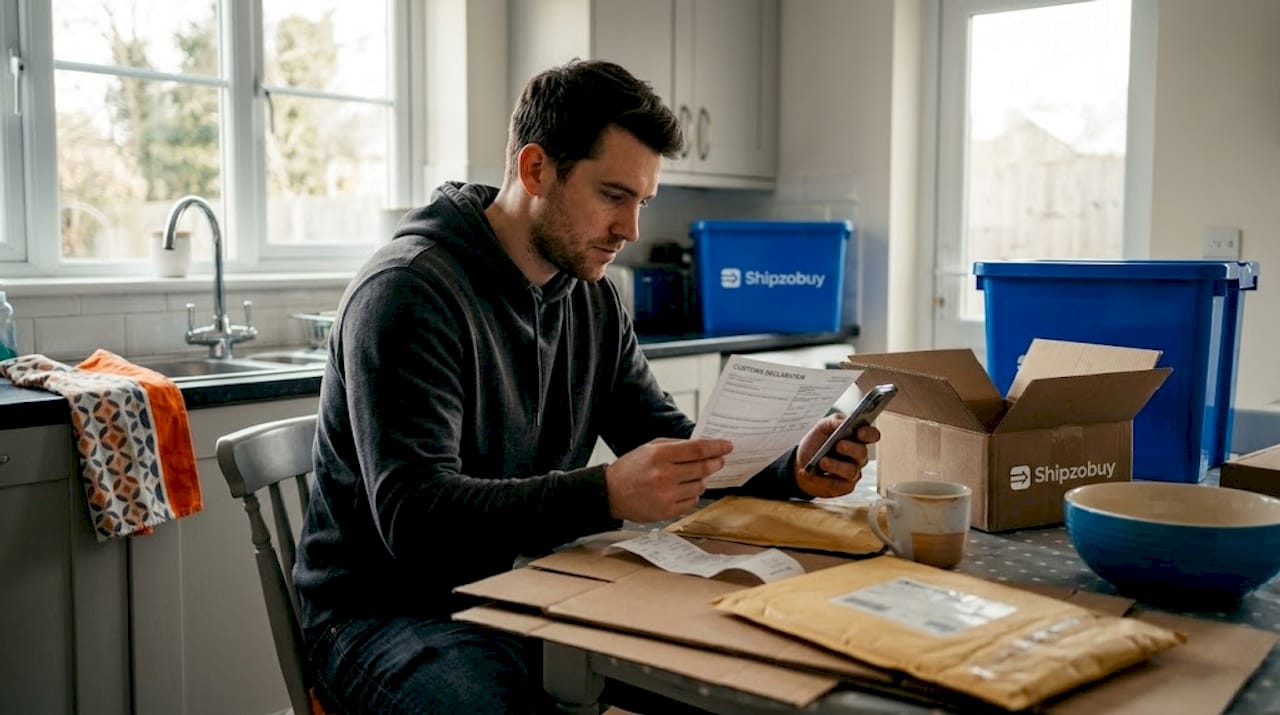
Knowing that problems exist is only useful if you also know how to respond. Here's a practical breakdown of what to do for each major issue type.
| Problem | Likely cause | Best response |
|---|---|---|
| Package seized | Logo-heavy replica, high declared value mismatch | Contact agent immediately; ask about resend options or refund policy |
| Tracking frozen | Special line with limited updates | Wait 10-14 days before escalating; check agent's internal system |
| Customs hold | Undervaluation flag or random inspection | Ask agent to provide supporting documents; wait for release |
| Package returned | Customs refusal without seizure | Coordinate with agent on reshipment with adjusted declaration |
| Duties demanded | Value reassessment by customs | Pay duties to release parcel or refuse and request return |
For seizure risk specifically, prevention is far more effective than damage control. The most reliable way to reduce replica shipping risk is to avoid shipping items with prominent visible trademarks in large quantities. A single unbranded or lightly branded item is far less likely to trigger enforcement than a replica with a large, recognizable logo on the outside packaging.
When tracking goes silent, resist the urge to file a dispute immediately. Most agent special lines have internal tracking systems that show more detail than the public-facing tracking page. Contact your agent directly and ask them to check the internal status. In most cases, the parcel is simply in transit through a hub that doesn't generate public tracking events.
For customs holds, your agent is your best resource. A good agent can sometimes provide supplementary documentation, like a commercial invoice with adjusted descriptions, that helps customs officers process and release a held parcel faster. Communication speed matters here. The faster you contact your agent when a hold appears, the more options you have.
Pro Tip: When communicating with your agent about a shipping problem, be specific. Give them the tracking number, the date the last update appeared, and the destination country. Vague messages like "my package is lost" slow down the response. Agents who handle hundreds of shipments daily respond faster and more effectively when you give them precise information to work with.
OECD data confirms that personal quantities face seizure rates below 1%, which means the overwhelming majority of issues you'll encounter are delays and tracking gaps rather than permanent losses. Keeping that in mind helps you respond calmly and strategically instead of making rushed decisions.
Why smart shoppers worry less and what "common issues" really mean
After seeing the facts, let's challenge some common fears and see what really matters.
Here's an uncomfortable truth about replica shipping advice online: most of it is written by people who had one bad experience or read someone else's bad experience and then generalized it into universal warnings. The result is a culture of fear that doesn't match the statistical reality for personal shoppers.
Personal shopping is much safer than bulk shipments precisely because customs enforcement is resource-constrained and prioritizes commercial-scale counterfeiting. A single pair of replica sneakers in a small parcel is not the enforcement priority that a pallet of fake luxury goods represents.
What actually drives problems isn't the replica nature of the item itself in most cases. It's poor declarations, mismatched values, and bulk quantities that make parcels stand out. Smart shoppers who work with experienced agents, use appropriate shipping lines, and keep their orders at personal quantities have a dramatically better experience than the forums suggest.
The real lesson from the data is this: transparency with your agent and realistic declarations do more to protect your shipment than any "secret" shipping trick. Agents who understand customs safety insights will tell you the same thing. The shoppers who stress least are the ones who treat their agent as a partner, communicate clearly, and understand that occasional delays are normal, not catastrophic.
Worry less, plan better, and choose your agent carefully. That's the actual formula.
Ship safer with expert help
Navigating replica shipping from Taobao, Tmall, or Weidian doesn't have to feel like a gamble. With the right partner handling your procurement, inspection, and logistics, the most common issues become manageable rather than stressful.
At Shipzobuy Global, we specialize in exactly this kind of cross-border complexity. Our team handles product sourcing, quality checks, and consolidated shipping with access to shipping lines that are specifically suited for sensitive goods. We offer live support for complex cases, transparent communication at every step, and practical guidance on declarations and routing. Whether you're a first-time buyer or a seasoned replica shopper, we take the guesswork out of getting your order home safely.
Frequently asked questions
How likely is it for my personal replica package to be seized by customs?
Seizure rates for personal shipments are below 1%, though enforcement is gradually increasing, so using smart shipping practices remains important.
What's the best way to reduce shipping problems for replica goods?
Work with a trusted agent who can recommend appropriate shipping lines, because agent-recommended lines consistently show seizure rates below 1% when declarations are handled carefully.
Why does my tracking say "in transit" for so long?
Replica packages often route through agent special lines that intentionally limit public tracking updates, so small parcels in transit may show no movement for weeks while still moving normally.
Are bulk shipments higher risk than single-item orders?
Yes, significantly. Personal shopping is safer than bulk shipments because customs enforcement focuses on commercial-scale imports, not individual consumer parcels.
How does undervaluation impact my order?
Undervaluation can reduce your import duties but also raises your seizure risk, because undervaluation is a common trigger for additional customs scrutiny and potential penalties.